sphere media background sample

Bike brakes: everything you need to know about this essential component of your bike!

Do you really know how your bike's braking system works? We'll show you everything, so you can ride your bike in complete safety!

Braking with your feet is fun, but not really recommended! What if, today, you decided to change your strategy? Because understanding how your braking system works is essential to ensuring your safety and that of other road users, scroll down for a little anatomy lesson!

Every cyclist knows how important braking is. But to master this essential part of your cycling, you need to know your braking system inside out. What different types of brake are available on the market? How is your braking system made up and how should it be maintained? We'll take a look at what you need to know, so that you can ride in complete safety.

Bicycle drive trains: everything you need to know about their components!

How does your bike's braking system work?

A bike's braking system is based on a simple but devilishly effective principle: the conversion of kinetic energy into heat, which slows or stops your bike.

Did we lose you? Don't worry, we'll explain:
when you squeeze the brake levers on either side of your handlebars, a series of mechanisms are triggered to exert pressure on the wheels, creating friction that slows down your bike's movement.

To visualise how a bike's brakes work, imagine the following diagram:
The brake lever on the handlebars is connected to a cable (or a hydraulic line for hydraulic brakes) that activates the callipers and brake pads.When you squeeze the lever, the cable pulls on the callipers or activates the hydraulic pistons, pressing the brake pads against the rim or disc.

Basically, it's a fairly simple invention, but one that has made the bicycle a practical and safe means of transport.

What different types of braking systems are there?

Depending on whether you use a city bike, a road bike, an MTB or a hybrid bike, there are several types of braking systems, each with its own characteristics and advantages:

  • Bike brakes: everything you need to know about this essential component of your bike!

    ▪️Rim brakes

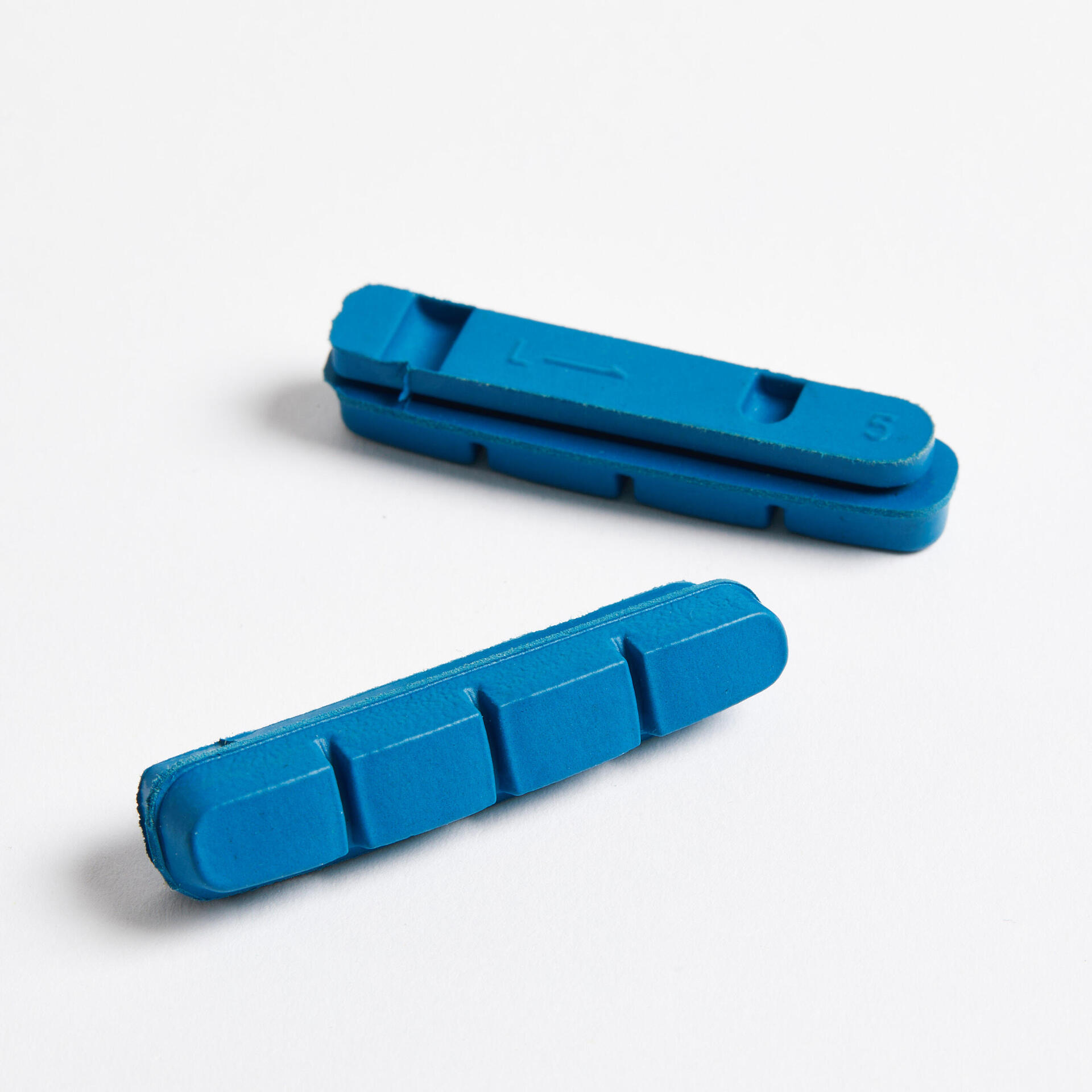
    This system uses rubber brake pads that grip the wheel rim when the brake lever is applied.It's a popular system that offers a good compromise between performance and cost.These brakes, which are easy to fit and maintain, are often used on city bikes and road bikes.They are effective in dry weather, but are generally less effective in wet conditions.
    Note that v-brakes are a more powerful variant of shoe brakes, better suited to touring or mountain bikes. Because road conditions are often more demanding, v-brakes provide better modulation and greater braking force than traditional rim brakes.

  • Bike brakes: everything you need to know about this essential component of your bike!

    ▪️Disc brakes

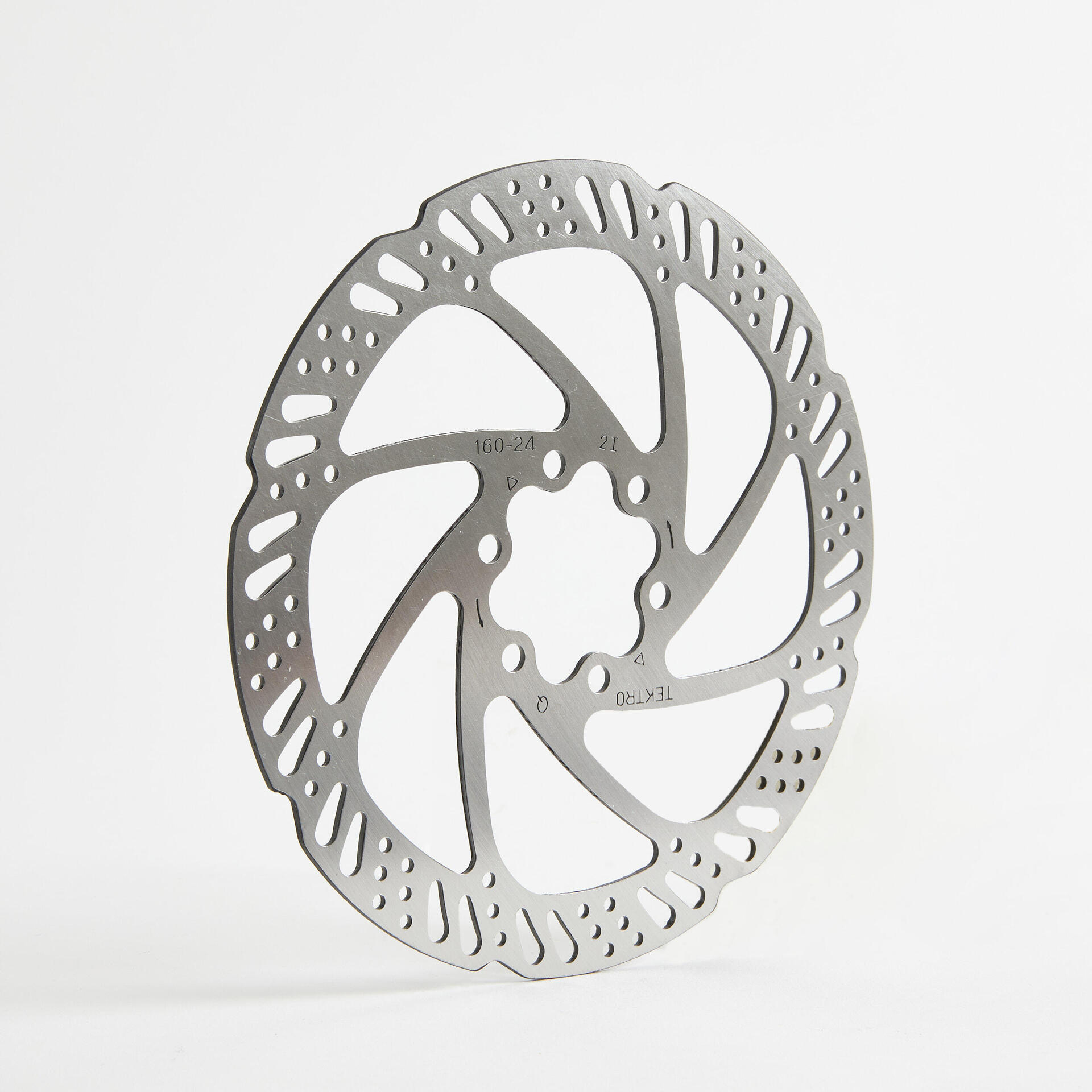
    Increasingly popular, especially on mountain bikes, disc brakes consist of a metal (stainless steel) disc attached to the wheel hub.A caliper fitted with small pads clamps down on the disc to slow your bike down.
    The advantage of this type of braking is that it offers greater braking power than rim brakes, particularly in wet weather.
    Disc brakes can be either mechanical or hydraulic.While mechanical brakes use cables to transfer the force from the brake lever to the caliper, hydraulic brakes use a fluid (mineral oil or DOT fluid) in a hydraulic line.Hydraulic disc brakes generally provide greater braking power and more precise modulation.
    Today, brands such as Shimano and SRAM produce high-performance disc brakes.

▪️ Coaster brakes
Less common than the above, but still found on some city bikes, these brakes are activated by pedalling backwards. They are popular for their ease of use and low maintenance. With few external components, they are less likely to be exposed to weather, mud or dirt. On the other hand, they may be less effective during emergency braking.

What are the components of your bike's braking system?

A bicycle's braking system is made up of several key components, each of which plays an essential role in effective braking.
The main parts of the braking system are as follows:
▪️The brake levers:
Located on either side of the handlebars, this is the part that the rider operates to apply the brakes. In short, this is where the work begins! Depending on the type of bike, levers can be made of aluminium, composite or carbon.
▪️ The brake cables:
Mechanical brakes transfer the force from the lever to the callipers. Without them, applying the brakes would be pointless! Protected by sheathing, your brake cables still need to be checked regularly and replaced if they become worn or corroded.
▪️ The hydraulic line:
With hydraulic brakes, a line filled with brake fluid (often mineral oil or DOT fluid) replaces the brake cable. This system provides better modulation and greater braking power.
▪️The callipers:
This is the part that houses the brake shoes or pads and presses against the rim (shoe brakes) or disc (disc brakes) when you operate your brake lever. They come in different shapes and require different mounting systems depending on the model.
▪️Brake pads:
Used in rim brake systems, brake pads are generally made of rubber and clamp the rim to slow down your bike. They are usually attached to the caliper with a nut and come in a range of lengths (from 45 mm to 72 mm for the longest).
▪️The brake discs:
Used in disc brake systems, discs are attached to the wheel hub. They can be of different sizes, thus influencing braking power and modulation.
▪️Brake pads:
In the case of disc brakes, these are the parts that are in direct contact with the braking surface. They can be made of metal, ceramic or resin.
▪️The pistons:
The pistons in hydraulic callipers are activated by the pressure of the brake fluid. They force the brake pads against the disc. 
How do you maintain your bike's braking system?

Maintaining your braking system is fundamental to your safety. Here are a few tips to keep your brakes in good working order:
👀 Inspect them regularly. In particular, check the condition of the cables and their sheaths, pads, shoes and discs and don't hesitate to replace worn or damaged components. For hydraulic systems, carry out regular bleeding to eliminate air bubbles and maintain optimum performance.
🧽 Clean your braking system. As far as possible, try to keep the components of your braking system clean to avoid the build-up of dirt and debris that could impair braking efficiency.
✅️ Check your brake adjustment. Make sure that your brake levers respond correctly and that the callipers are correctly aligned. When you squeeze your brake levers, the brake pads should press against the rim (or disc) simultaneously.

While maintaining your braking system is generally fairly straightforward, in practice you may sometimes need to consult a professional. If this is the case, feel free to visit one of our Decathlon workshops. Experts are on hand to offer maintenance and repair services tailored to your situation.

Bike brakes: everything you need to know about this essential component of your bike!

How do you brake properly with a bike?

The basics of braking

Braking efficiently and safely is quite an art! But rest assured, with a bit of practice and a good understanding of braking techniques, there's a good chance you'll soon become an expert!  
• Gradual braking:
To avoid locking your wheels and skidding, it's essential to brake gradually. Start by gently squeezing the brake lever, then increase the pressure until you have slowed down as required. In the end, braking, like everything else, is a question of gauging!
• Using the front and rear brakes:
You too have often been told that braking too quickly can send you flying into space? Who's responsible? The front brake, of course! The front brake is generally more powerful and more effective than its rear counterpart. That's why we advise you to use it sparingly to avoid flying over the handlebars.
The rear brake is very useful for stabilising the bike and adjusting your speed.
Finding the right combination of the two will ensure balanced, safe braking.

Advanced braking techniques

• Emergency braking:
If you need to stop immediately, you may not have time to brake gradually. If this is the case, apply both brake levers firmly, but remember to lean backwards to avoid tipping forward.
• Downhill braking:
When going downhill, use intermittent braking to prevent the brakes overheating and keep control of the bike.

Bike brakes: everything you need to know about this essential component of your bike!

How to find spare parts for your bike

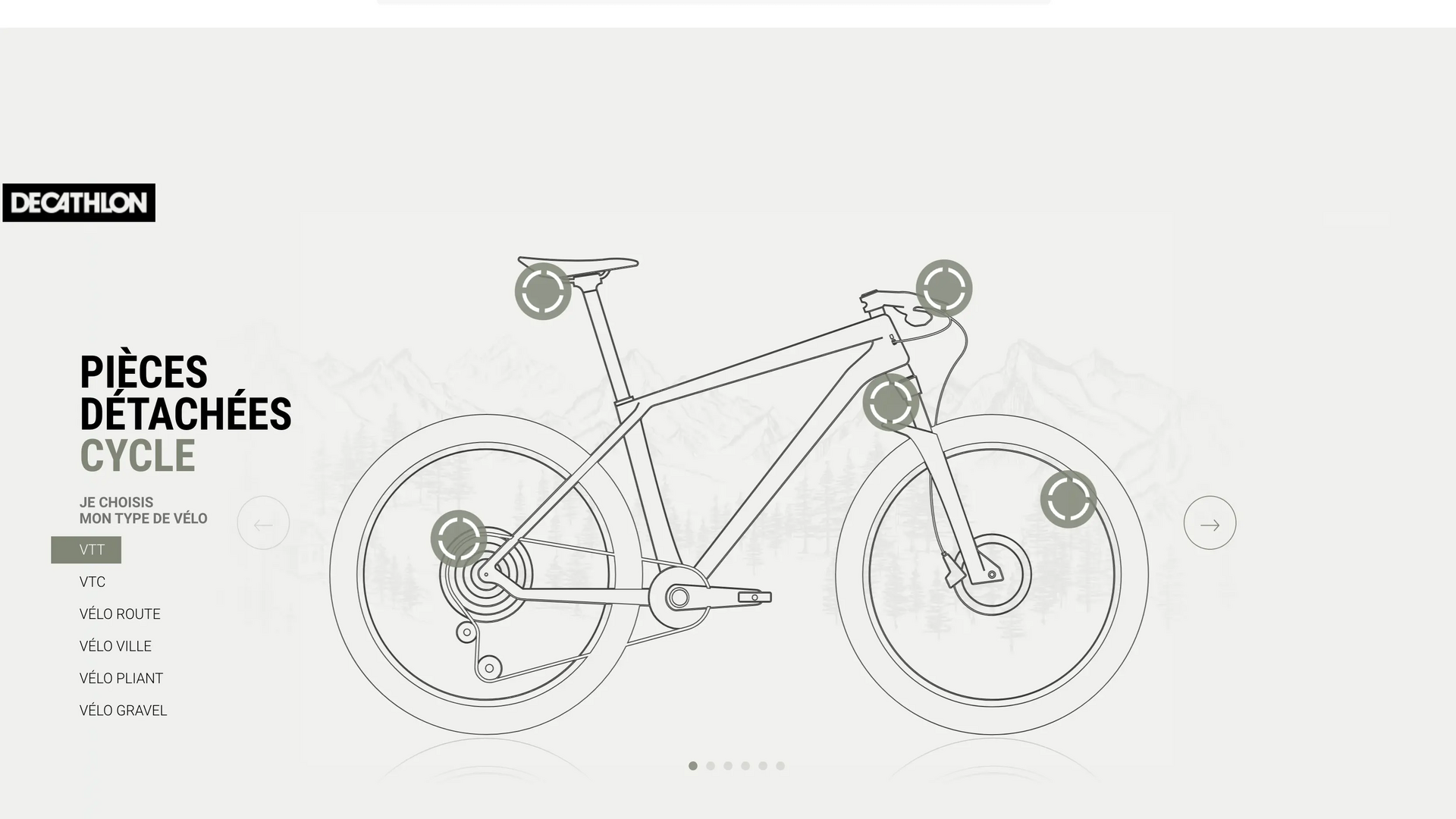
For more information about your bike, check out our bike spare parts page. There you will find our selection of spare parts, video tutorials, as well as tips on how to care for and repair your bike. 🚲

You can also chat with our ChatBot to help you find parts that are compatible with your bike.

We can't stress this enough: understanding how your bike's braking system works and what it's made up of is essential to guaranteeing your safety and enjoyable riding! And if you'd like to explore this further and become an expert on the subject, don't hesitate to consult the other articles available on our site. We think you'll like the one on bike drive trains! 

Bicycle drive trains: everything you need to know about their components!

CHARLOTTE

Bike commuter, enthusiastic athlete, and Decathlon fan